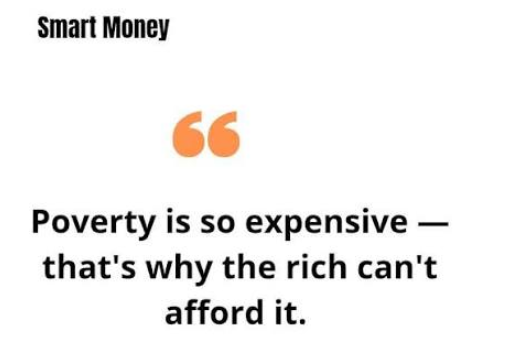
It is expensive to be poor
The phrase “it is expensive to be poor“ means that low-income individuals face higher relative costs for basic goods and services because they lack the upfront capital to access cheaper options.
Why It Costs More to Be Poor
- Bulk purchasing barriers: Lacking cash means buying small packages, which cost significantly more per unit than buying in bulk.
- Predatory financial services: People without traditional bank accounts rely on check-cashing services and payday loans with exorbitant fees and interest rates.
- Deferred maintenance: Postponing car repairs or healthcare leads to catastrophic, far more expensive emergencies later.
- Late fees and penalties: Inability to pay bills on time triggers overdraft fees, reconnection charges, and hit credit scores, raising future borrowing costs.
- The “poverty premium”: Low-income areas often lack major supermarkets, forcing residents to buy overpriced groceries at convenience stores.
How to Combat the Issue
Combating this systemic cycle requires a mix of structural policy changes and targeted community interventions.
Systemic & Policy Solutions
- Expand banking access: Ban predatory payday lending margins and promote fee-free, accessible community banking or postal banking options.
- Strengthen social safety nets: Implement robust public transit, universal healthcare, and subsidized childcare to eliminate sudden, crippling expenses.
- Affordable housing initiatives: Build stable, energy-efficient affordable housing to prevent high utility bills and frequent, costly evictions.
Community & Institutional Support
- Micro-loan programs: Provide low-interest, small-dollar emergency loans through credit unions to bypass predatory lenders.
- Buying cooperatives: Establish community-run food co-ops to give low-income neighborhoods bulk-pricing advantages.
- Financial literacy and legal aid: Offer free legal defense against unfair debt collection and accessible guidance on building credit.