Welcome to Freedom Shaper Community College
SOUTH AFRICA

Striving for a Better South Africa
Community Leadership Training and Coaching
Below are just a few of the Course types and modules that we will cover.
Business Training
- Business Analysis
- Management
- Project Management
- MS Project
- Community Leadership
- Time Management
- Time Management using Outlook
- Financials
- Basic accounting
- Budgets
- Goal Setting
Technical Training
- Introduction to Networking (IP Addressing)
- Microsoft 365 (in person)
- SharePoint
- CompTIA (in person)
- IT Fundamentals
- A+
- Network +
- Server+
- Security+
End User Training
- Microsoft Office
- Word
- Excel
- PowerPoint
- Outlook
- Power BI Desktop
- Desktop Applications
- Time Management Using Outlook
- Home budgeting
The two most powerful warriors are Patience and Time.
The three C’s of life: Choices, Chances and Changes.
You must Choose to take a Chance, or your life can never Change.
Latest Posts
- Fourth Agreement
Core Principles of ‘Always Do Your Best’
1. Your Best Changes Moment to Moment
A key insight is that your best is not fixed. It fluctuates based on your physical health, emotional state, energy levels, and external circumstances. As Dr. Randy Cale notes, factors like sleep, stress, blood sugar, and inflammation influence your capacity—meaning your “best” today may look different than yesterday.
2. No More, No Less
The agreement calls for balance: do your best, but not beyond your limits. Pushing past exhaustion or ignoring your needs contradicts the principle. As one interpretation puts it: “Always do your best, no more and no less.” This prevents burnout and honors your humanity.
3. Action Over Perfection
Success comes from consistent action, not flawless execution. Ruiz writes: “Practice makes the master. By doing your best you become a master.” Every small effort contributes to transformation over time through repetition and presence.
Practical Application in Daily Life
Start with Intention
Begin each day by setting the intention to do your best—not someone else’s version of best, but your authentic best in the moment. This creates awareness and helps you align actions with values rather than autopilot reactions.
Respond with Awareness
Throughout the day, pause before reacting. Choose patience over irritation, listening over speaking, rest over pushing. As Dr. Randy Cale explains, sometimes your best means stepping away from conflict or honoring your body’s need for recovery.
End with Reflection, Not Judgment
At day’s end, reflect with honesty and humility. Ask: Did I act with intention? Did I use the resources I had? Celebrate small victories—like choosing kindness or pausing before anger—and view missteps as information, not failure.
Common Misconceptions and Challenges
Mistaking It for Perfectionism
Many fear this agreement demands constant excellence. But as Ana Melikian warns, perfectionists may misuse it to fuel overwork. The truth is, “doing your best” when tired might mean resting—not grinding harder.
Confusing It with Complacency
Others worry it justifies low effort. However, the agreement assumes self-awareness: you know when you’re truly giving your all versus avoiding challenge. It’s about honesty, not excuse-making.
Evolving Interpretation
As life changes, so does your best. As Scott Eastwood said: “My father taught me… nothing will ever be perfect, so just keep moving and do your best.” Growth comes from consistent effort, not static standards.
Quotes and Perspectives from Influential Figures
- Don Miguel Ruiz: “Your best is going to change from moment to moment… simply do your best, and you will avoid self-judgment, self-abuse and regret.”
- W. Edwards Deming: “It is not enough to do your best; you must know what to do, and then do your best.”
- Jeff Bridges: “Live like you’re already dead, man. Have a good time. Do your best.”
- Rosalynn Carter: “You must accept that you might fail; then, if you do your best and still don’t win, at least you can be satisfied that you’ve tried.”
- Greta Thunberg: “To do your best is no longer good enough. We now have to do the seemingly impossible.” — a modern challenge to elevate collective effort.
These diverse voices show that while the core idea remains constant—give what you can, with awareness and care—its interpretation evolves across contexts, from personal growth to global responsibility.
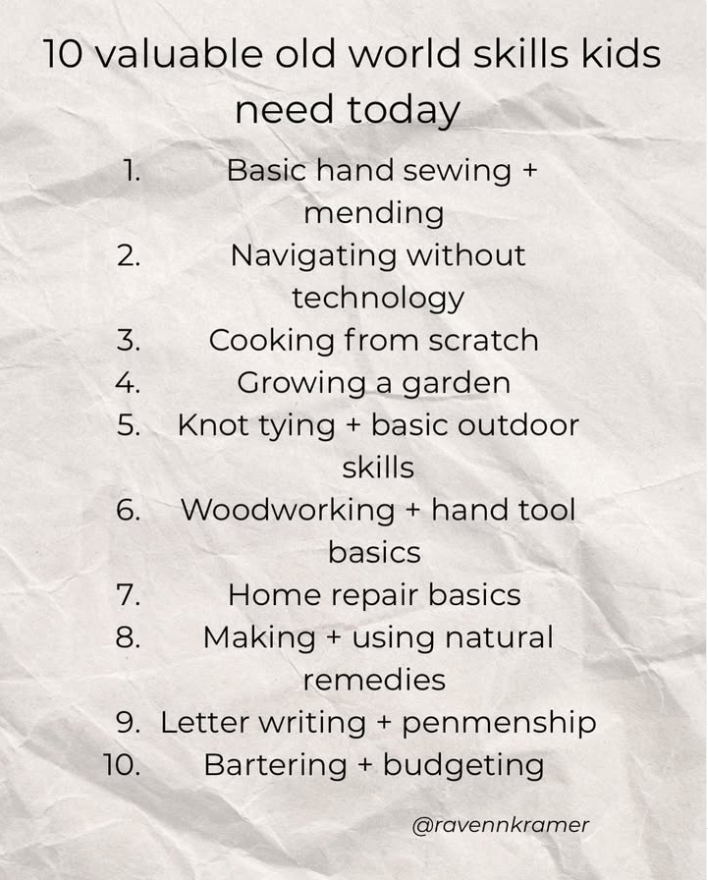
- Ten Valuable Skills